Solid-Phase Extraction
Posted in Column Chromatography on Dec 15, 2010
Sample preparation is a crucial step in any analytical method, especially in chromatography where samples have to be homogenous, free of interferences and safe for the column.
Today, one of the most widely used sample preparation methods is solid-phase extraction (SPE) that in the mid 1990s largely replaced the conventional but time consuming liquid-liquid extraction (LLE). The SPE method resembles chromatography itself: a liquid sample is passed through a packed column that selectively removes interferences or analytes.
The SPE sample preparation technique is frequently carried out in a small, disposable, plastic column (cartridge) that looks like a 10-mL medical syringe. The column is packed with a small amount (< 1.0 g) of sorbent (e.g. C18-silica) which is held in place by frits.
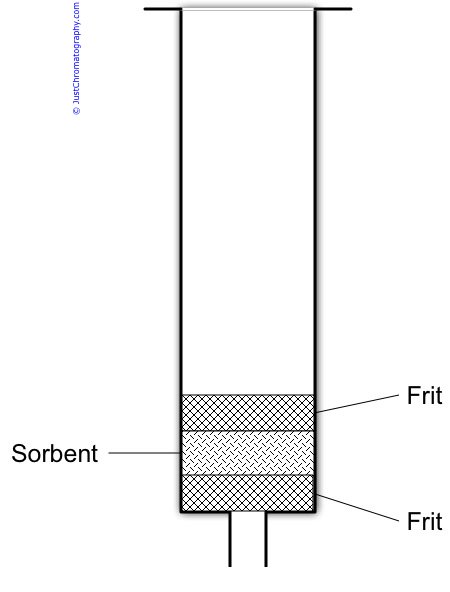
Disposable cartridge for SPE (syringe style)
However, the SPE method can also be implemented by using a micro-pipette tip,  a 96-well plate, a disk, or even coated fibers, the later has its own name  – “solid-phase microextraction” or SPME.
SPE is typically used to:
- increase concentration of the analyte
- remove interferences (for complex organic sample matrix and also to protect the column)
- desalt (in ion-exchange chromatography)
Chemical Composition of Boza
Posted in History on Dec 09, 2010
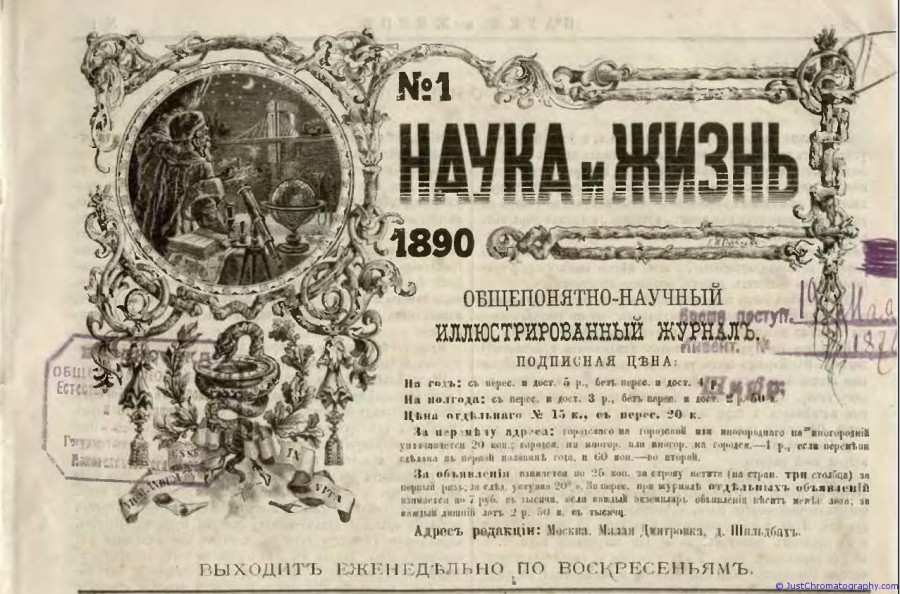
Science and Life Magazine January 1890 (1)
by Dr. Viktorina Gruzdeva
Dec 31st, 1889
During the October 20th 1889 meeting of the Society for Public Health Protection, Dr. Kazanski presented a report on the making and chemical composition of “boza†(russ. буза). Boza is the name of a mongolian fermented beverage made from grains – a beer of sorts. As you know, beer is classified into 3 main categories, depending on the ingredients used: the first one is the oldest characterized by the absence of malt, the second category is made exclusively from malt, and the third kind which is something in between and requires both raw grain kernels and malted ones. Read More on… Chemical Composition of Boza
Arsenic for Breakfast, Lunch and Dinner
Posted in Biochemistry on Dec 02, 2010
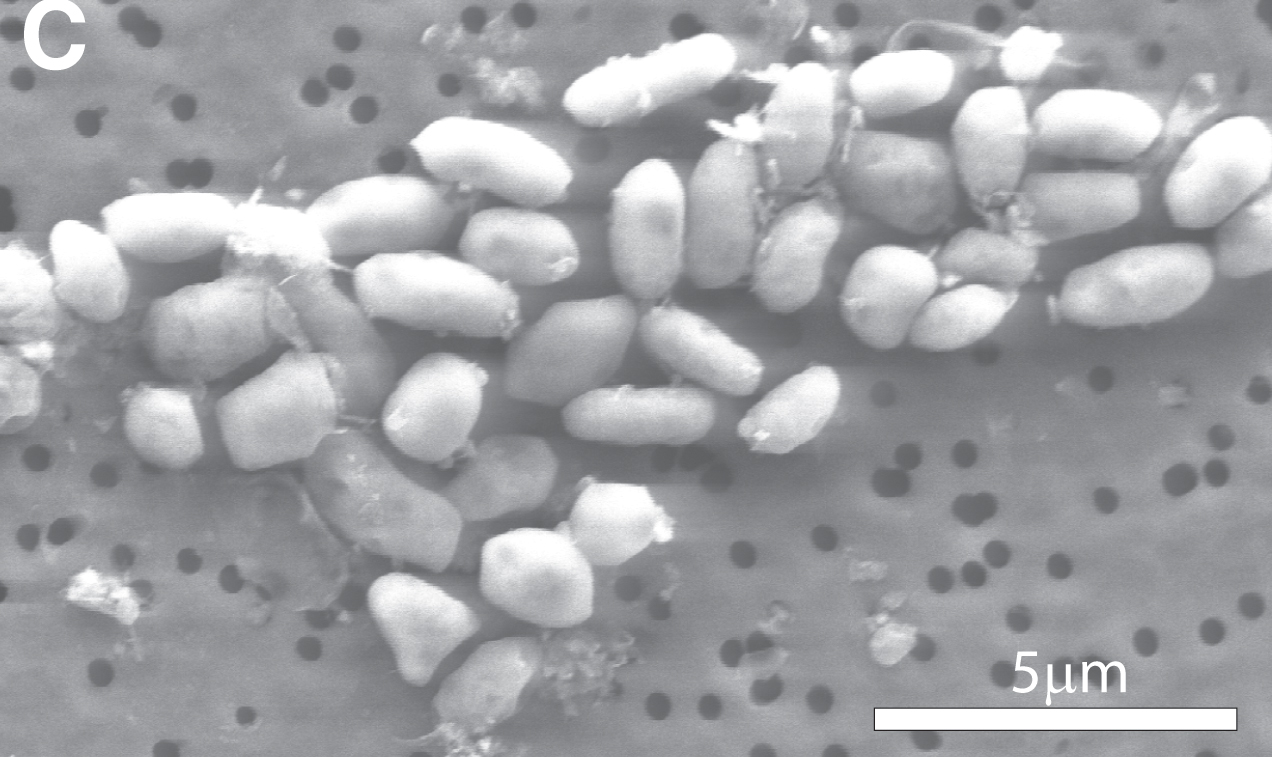
Scanning electron micrograph of strain GFAJ-1. Courtesy of Science/AAAS
Dr. Felisa Wolfe-Simon and collegues have discovered a microorganism that can live and grow entirely off arsenic. It is the first known published research that points to a bacterium that is able to use a normally highly toxic chemical rather than the phosphate to sustain growth and life.
Arsenic (As) is directly under Phosphorus (P) in the periodic table and they both share common chemical properties; however, arsenic is normally extremely harmful to living organisms because it disrupts major metabolic pathways. On the other hand, arsenate (AsO43− – the oxidized As5+) is biologically very similar to phosphate. In the past scientists did find organisms that can chemically alter arsenic; and these organisms have been implicated in ground water poisoning events in Bangladesh and other places in Asia when people have shifted to using well water to avoid cholera. Read More on… Arsenic for Breakfast, Lunch and Dinner
Rocky Mountain Spotted Fever Trends
Posted in Biochemistry on Dec 01, 2010
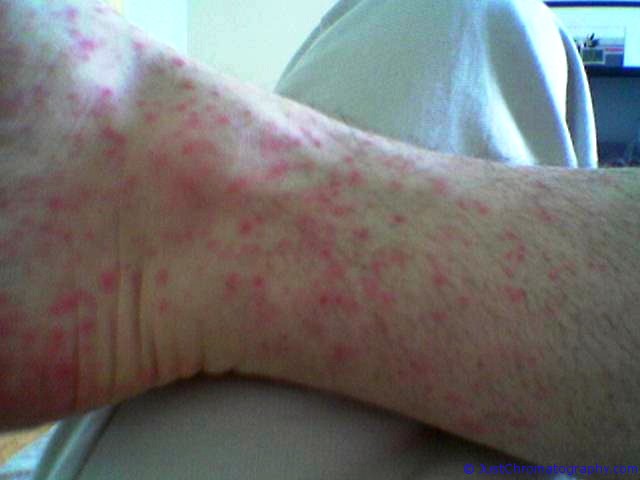
Petechial rash on my ankle caused by RMSF (2004)
More than 3 years ago I shared a personal story where I  describe my experience with Rocky Mountain Spotted Fever or RMSF – a condition caused by Rickettsia rickettsii, a species of bacteria that is spread via tick bites. That blog post has become the most commented (178 so far) where people share with the world their horrifying accounts of RMSF.
There is a tool by Google – “Insights for Search” (still beta) that shows web search interest for a given search term(s) over a period of time. The results can be  filtered based on a geographical location, and general search categories. Google also offers an option to forecast the search trend for your query about one year into the future.
I examined the search phrase “rocky mountain spotted fever” in the US from 2004 to present. Here is the graph (click to enlarge):
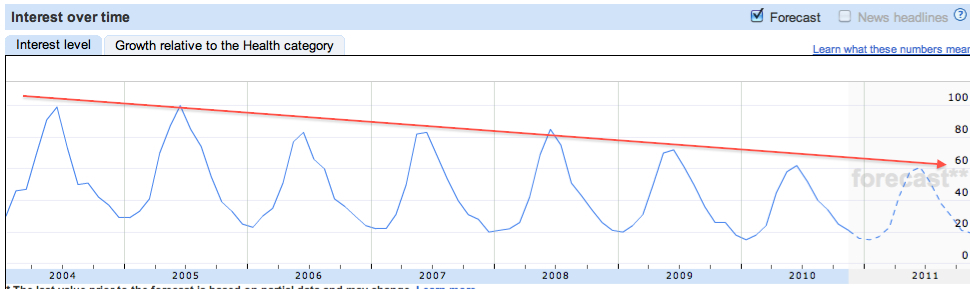
Rocky Mountain Spotted Fever Search Trends (2004-2010)
As you can see, every year there is a significant spike in the number of searches around June; however, year after year that peak is becoming shorter and shorter, forming a steadily descending trend line. Read More on… Rocky Mountain Spotted Fever Trends
Measuring Radiation Exposure from Backscatter X-ray
Posted in General Science on Nov 29, 2010
 The widespread deployment of Rapiscan’s body scanners in major airports around the US has raised concerns about the ionizing radiation doses to traveling public. Rapiscan doesn’t publicly provide dose calculations, but the company does claim that the X-ray screening machines are in compliance with the 2002 ANSI standard (American National Standards Institute), they also says that “Emission Per Scan: Less than 10 microRem” which would translate to <0.1 µSv. But as it turns out, Rapiscan may have significantly under-calculated per scan exposure.
The 2002 ANSI standard calls for effective radiation dose of 0.1 µSv or less per scan per person (interestingly, in 2009 ANSI relaxed that standard and increased the limit to 0.25 µSv). How much is 0.1 or even 0.25 µSv? Well, “Sv” stands for Sievert – a derived SI unit that measures biological absorption of ionizing radiation. The National Council on Radiation Protection and Measurements recommends the following annual radiation dose limit for an individual from all radiation sources other than natural background and the individual’s medical care is: Read More on… Measuring Radiation Exposure from Backscatter X-ray
Handbook of HPLC 2.0
Posted in HPLC on Nov 27, 2010
[amazon_link id=”1574445545″ target=”_blank” ]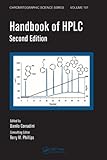 [/amazon_link]Several months ago a second edition of  “[amazon_link id=”1574445545″ target=”_blank” ]Handbook of HPLC[/amazon_link]” was released. The new edition avoids well-established theoretical and practical aspects of HPLC that were extensively covered in the first edition published in 1998. However, the editors greatly update the handbook with emerging novel methods and concepts  that have contributed to the further advancement of HPLC technique in the last 12 years. Here are some examples of these new aspects: Read More on… Handbook of HPLC 2.0
Melamine Detection in Infant Formula
Posted in HPLC on Nov 26, 2010
In September 2008 almost 52,000 infants in China suffered urinary problems from consumption of melamine contaminated baby-formulas and some other dairy products (WHO, 2009). By the end of November 2008 almost 300,000 infants were affected and six deaths have been confirmed by the Chinese Ministry of Health. A low level of melamine contamination was also found in other non-dairy products made in China such as biscuits, candies and even coffee drinks. Reportedly more than 90% of ingested melamine is excreted with urine within 24 hours (Mast et al., 1983) without any adverse health issues; however, if melamine exceeds a certain threshold, it forms crystals in urine that grow into stones (calculi) in kidneys, ureter or bladder.
In light of the melamine crisis, the FDA increased sampling and analysis of imported milk-derived ingredients and products. Recently, the government also set a threshold of 1 µg/mL for melamine in infant formula, making it critical to have a low level melamine detection method. There are several analytical techniques that could be used to detect and quantify melamine: Read More on… Melamine Detection in Infant Formula
“Pine Mouth” Revisited
Posted in General Science on Nov 24, 2010
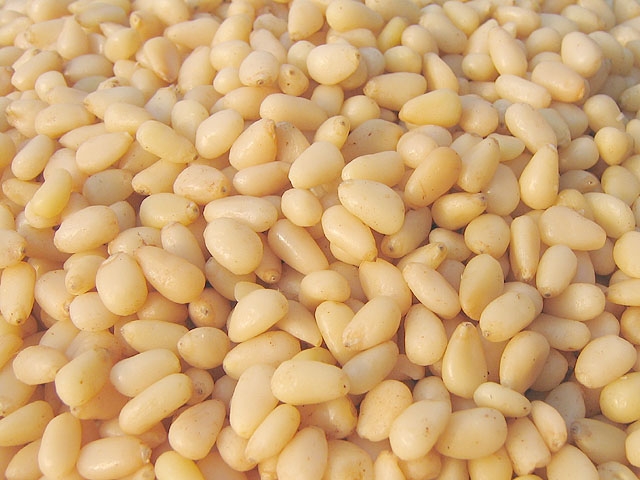
While doing my “random” searches in Google Scholar I stumbled upon this article by Marc-David Munk – “Pine mouth” syndrome: cacogeusia following ingestion of pine nuts (genus: pinus). An emerging problem? “[1].  Incidentally, last year I did experience “pine mouth” syndrome and wrote about it in “Cursed Pine Nuts or Triglycerides?“.
Dr. Munk  from Department of Emergency Medicine, Read More on… “Pine Mouth” Revisited
Backscatter X-Ray vs Millimeter Wave RF vs Pat Down – Part 1
Posted in General Science on Nov 23, 2010
 Yesterday I flew to San Francisco from New York’s JFK Airport  (Terminal 8). As I was going through the TSA security checkpoint, I noticed that even though OSI’s Rapiscan Secure 1000 body scanners were in place, they were not used to screen the passengers. Relieved, I happily went through a regular metal detector.
Upon arrival at SFO, I glanced at the security checkpoint and Read More on… Backscatter X-Ray vs Millimeter Wave RF vs Pat Down – Part 1
Ultra-Short GC Columns
Posted in Gas Chromatography on Nov 21, 2010
Back in 2005 two Russian scientists Berezkin and Lapin [1] investigated the application of ultra-short capillary gas chromatography (GC) columns. Ordinary, the GC columns are extremely lengthy and range from 10 to 150 meters in order to achieve effective separation of mixed components. Berezkin’s earlier research [2] showed that 75% of all GC columns used in scientific publications fell between 10 and 30 m length, and anything shorter was relatively uncommon.  However, the authors argue for shorter column length as it may allow to lower the  column temperature during chromatographic separation which could expand the practical application of Gas Chromatography. But on a negative side, shorter columns will result in lower resolution.
Berezkin and Lapin conducted their experiments using HP 5890 gas chromatograph equipped with an electronic pressure control and a flame ionized detector (FID). The scientists used various length columns ranging from 0.1 to 5 meters to separate n-C9-n-C20 alkanes and showed that ultra-short columns were “good enough” for express-analysis of thermolabile and high-boiling compounds. The authors were optimistic of practical application of ultra-short capillary columns as an extension to conventional GC analysis.
- [1] V. G. Berezkin, A. B. Lapin, Journal of Chromatography A 1075, 197 – 203 (2005).
[2] V. G. Berezkin, I. V. Malyukova, Zh. Anal. Khim. 52, 798 (1997) (in Russian).
Tag Cloud
-
adsorbent
benzene
china
chlorophyll
chromatographic
chromatography
column chromatography
CZE
DESI
electromagnetic induction
electrospray
ELISA
eluent
explosives
forensic
furosine
Gas Chromatography
GC/MS
History
HPLC
IC
isoflavones
lab-on-a-chip
LCMS
maldi tof
Mass Spectrometry
microfluidic
nano
Nano HPLC
nanoliquid
nanoscale
nanostream
nanotechnology
nanotubes
News
organic molecule
protein
Rickettsia
rmsf
rocky mountain spotted fever
science
soy
TCM
ticks
tsvet



